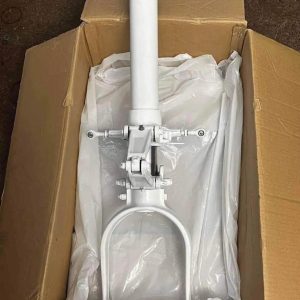
The Cessna Nose Gear Strut Assembly may serve as a replacement, overhaul, restoration, maintenance, or spare-inventory component when its exact part number, configuration, condition, and applicability are confirmed.
A Cessna Nose Landing Gear Strut may form part of a broader Cessna Nose Gear Assembly, while the phrase Cessna Landing Gear Strut can describe different positions or configurations depending on the aircraft model.
A Cessna Front Landing Gear Assembly may include an Aircraft Nose Gear Strut, wheel fork, steering parts, attachment hardware, seals, bearings, and other model-specific components.
The Cessna Nose Gear Shock Absorber, Cessna Landing Gear Assembly, Aircraft Landing Gear Strut, and Cessna Nose Wheel Strut phrases highlight the component’s role in supporting loads and controlling ground impacts.
The Cessna Steering Strut Assembly, Cessna Replacement Nose Gear, and General Aviation Landing Gear Parts keywords describe commercially relevant searches for maintenance and restoration projects.
Key Details of an Aircraft Nose Strut
Complete identification gives technicians the information needed to evaluate suitability.
Included items may vary and can involve the strut body, piston, fork, axle, torque links, steering collar, seals, bearings, spacers, hardware, wheel, or tire.
Structural Support and Aircraft Load Management
The nose gear supports a portion of the aircraft’s ground weight and transfers loads into designated airframe attachment points.
Inspection should extend beyond the removable assembly click here to the mounting areas, firewall or support structure, brackets, steering components, wheel fork, and surrounding fasteners where applicable.
Maintaining Controlled Compression
Complete functional evaluation is more reliable than visual appearance alone.
The aircraft’s actual loaded condition affects visible strut extension and should be considered during evaluation.
Maintaining Predictable Taxi Control
The nose gear may interact with the aircraft steering system through collars, torque links, rods, springs, cables, stops, bushings, or other model-specific mechanisms.
Steering stops should remain intact and correctly adjusted so the nose wheel does not exceed approved travel limits.
Avoiding Universal Cessna Fitment Claims
The phrase Cessna Nose Gear Strut Assembly should not be interpreted as compatibility with every Cessna aircraft.
Cross-reference information should be verified carefully and should include any required supersedures or installation changes.
Protecting Smooth Strut Operation
Paint, grease, or contamination should not conceal suspected defects.
Internal wear can result from contamination, damaged seals, misalignment, corrosion, or prolonged operation with incorrect servicing.
Understanding Strut Seal Maintenance
The strut should be inspected after cleaning and appropriate servicing to determine whether leakage returns.
Professional service supports reliable shock absorption and reduced maintenance recurrence.
Maintaining Protective Finishes
Complete corrosion inspection supports responsible General Aviation Landing Gear Parts purchasing.
Fresh paint may improve appearance while concealing corrosion, filler, weld repairs, or damaged surfaces.
Evaluating a Used Cessna Nose Gear
High-stress areas can include attachment points, fork transitions, axle regions, steering features, torque-link mounts, and previous repair locations.
The seller should disclose the donor aircraft’s removal reason and known incident history.
Wheel Fork, Axle, and Nose Wheel Components
The wheel fork should be inspected for cracks, bending, corrosion, damaged mounting points, distorted axle bores, and signs of side loading.
Used hardware should not be reused automatically without applicable inspection.
Torque Links, Bushings, and Pivot Points
Excessive play can contribute to wheel misalignment, vibration, shimmy, and accelerated component wear.
Recurring shimmy should prompt inspection of the entire nose gear, wheel, tire, steering, balance, and attachment system.
Understanding Ground Vibration Causes
Replacing the strut assembly alone may not correct the concern if other components remain defective.
Measurements and operational checks should support the maintenance decision.
Avoiding Incorrect Landing Gear Servicing
The strut should be serviced using clean equipment and controlled procedures.
Extension should be evaluated under the loading condition specified by applicable maintenance data.
Evaluating Internal and External Components
A seal replacement or exterior repaint does not necessarily constitute a complete overhaul.
Some components may be repairable while others require replacement.
Pre-Purchase Inspection Checklist
A pre-purchase review should confirm the exact part number, configuration, aircraft applicability, serial markings, dimensions, included components, removal reason, condition, repair history, and documentation.
- Request detailed photographs of the cylinder, piston, chrome surface, fork, axle, mounting areas, torque links, steering collar, bushings, seals, data markings, and included components.
- Inspect or document corrosion, cracks, bends, scoring, pitting, leakage, chrome damage, worn bushings, loose pivots, elongated holes, damaged threads, fork alignment, and previous repairs.
- Inspect and photograph the assembly immediately after delivery before cleaning, servicing, disassembling, repairing, painting, or installing it.
Safe Freight Handling Procedures
Loose hardware should be labeled, wrapped, and secured separately.
Careful freight preparation reduces damage to the Cessna Landing Gear Assembly.
Preventing Corrosion and Seal Damage
During storage, the strut should remain clean, dry, supported, labeled, and protected from impact, moisture, chemicals, dust, and uncontrolled handling.
Organized storage supports the commercial value of General Aviation Landing Gear Parts.
Completing Wheel and Strut Alignment
Surrounding structure should be inspected for cracks, corrosion, deformation, worn holes, and previous repair before installing the replacement assembly.
The strut should align correctly with the aircraft structure, steering system, wheel, fork, and torque links without binding or abnormal side loading.
Any abnormal indication should receive prompt evaluation before further operation.
Protecting Long-Term Ground Handling Reliability
Lubrication and servicing should follow the applicable maintenance schedule.
Preventive care protects the aircraft, occupants, and landing-gear components.
Buying a Replacement Landing Gear Strut
A recent professional inspection or overhaul can add value when the scope, findings, measurements, and replaced parts are documented accurately.
Total project cost may include the purchase price, freight, inspection, seals, bushings, bearings, hardware, wheel or tire components, overhaul labor, servicing, alignment, installation, and documentation.
Buying a Replacement Cessna Front Gear Assembly
For a properly matched Cessna aircraft, the assembly can support dependable ground handling when professionally inspected, serviced, installed, and maintained.
The strongest purchasing decision begins with confirming the exact Cessna part number, dash number, aircraft model, serial-range applicability, strut configuration, dimensions, mounting points, steering system, fork, axle, bushings, seals, corrosion status, repair history, and documentation.
Whether buyers need a Cessna Front Landing Gear Assembly, Aircraft Nose Gear Strut, Aircraft Nose Landing Gear Assembly, or Cessna Shock Strut Assembly, current physical condition should be verified.
With verified identity, suitable structural condition, correct aircraft applicability, professional servicing, disciplined installation, and routine inspection, the assembly can provide dependable long-term value.